
J.M. Henry
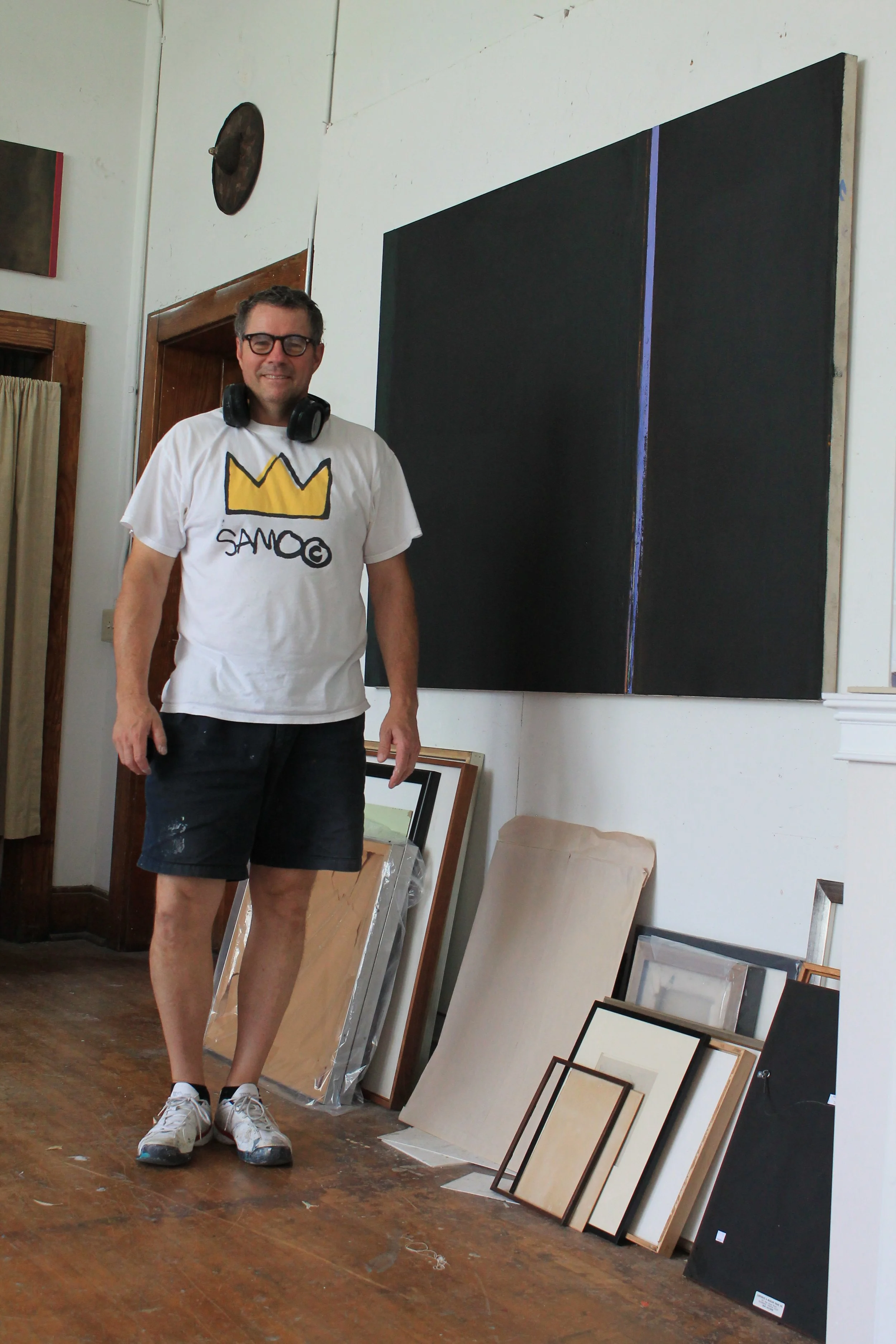
James "Jim" Michael Henry (1959–2025) was an American painter known for his inventive approach to abstraction and distinctive material techniques. His work emphasized form and light, using layered color fields and tools like grinders, scrapers, and sandpaper to create textured, visually compelling surfaces.
Henry studied at SUNY Adirondack and earned a BFA from SUNY Albany. In his early career, he worked in house painting, framing, and art brokerage—experiences that shaped his understanding of craft and presentation. After living in several major cities, he settled in North Carolina, where his work began gaining attention from galleries and collectors.
He exhibited throughout the eastern U.S., with shows at Trinity Gallery (Atlanta), The Mahler (Raleigh), Lee Hansley Fine Art (Raleigh), Christa Faut Gallery (Charlotte), and Gallery Plan B (Washington, DC). His work is held in the collections of the Pensacola Museum of Art, Hickory Museum of Art, Maier Museum, and institutions including Wake Forest Baptist Hospital, SUNY Adirondack, and Wells Fargo Bank. In later years, he sold work through auctions.
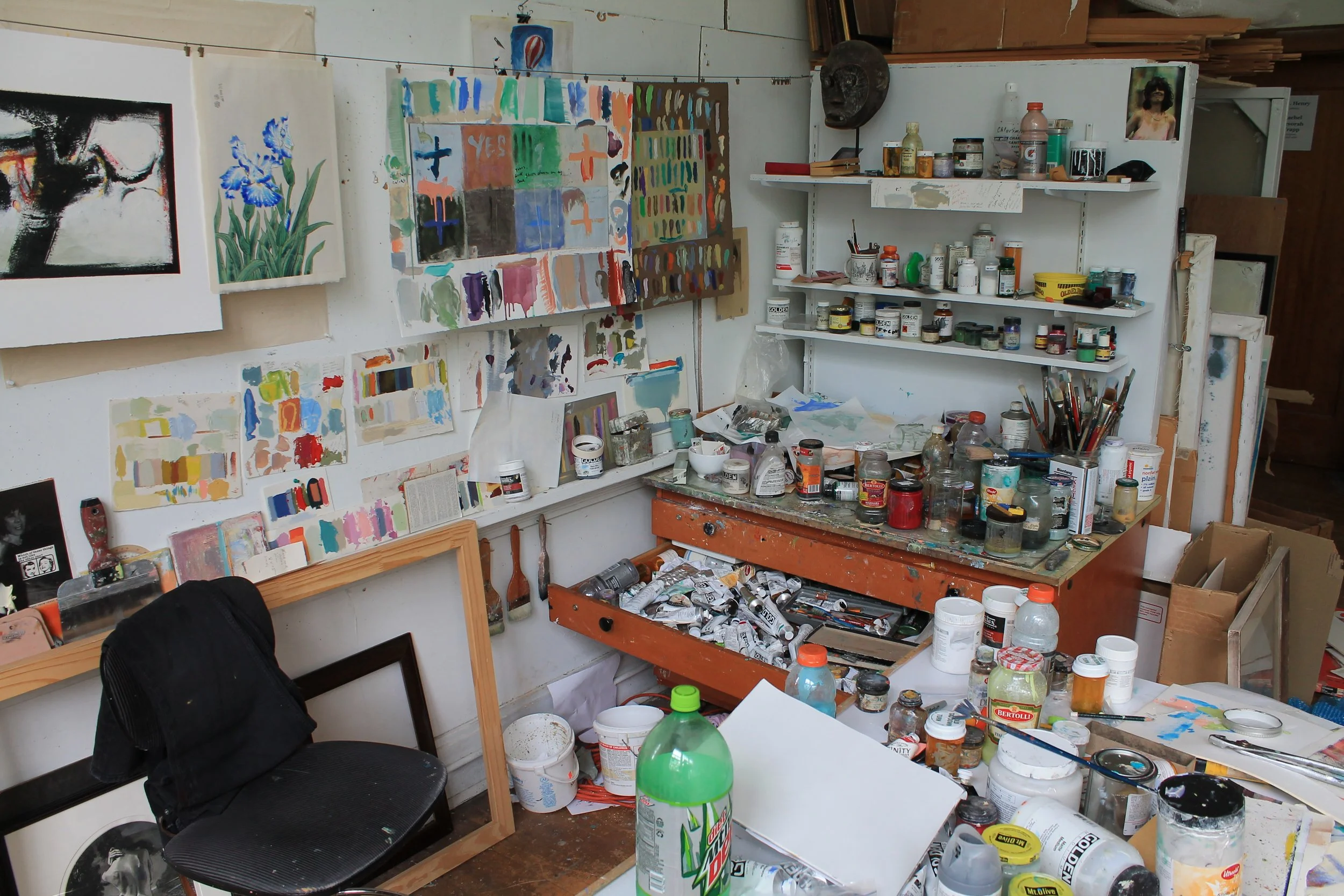
Color and surface were central to his practice. He often began with small landscape studies to test pigments and explore chromatic layering—approaches that carried into his large-scale abstractions. Influenced by printmaking traditions, Henry paid close attention to format, texture, and materials. His works on paper formed a consistent and evolving thread in his body of work.
After being diagnosed with a rare lung condition in the 1990s, Henry remained professionally active through treatment and recovery. He became a resident artist at McGuffey Art Center in Charlottesville and later worked from his studio in Lawrenceville, Virginia, where he continued painting, collecting, exploring photography, and creating fictional narratives for historical imagery—often for the amusement of himself and his friends.
Henry was admired for his precision, curiosity, and support of fellow artists. His paintings—layered, restrained, and visually rich—remain in public and private collections across the country.